Crassula Spiralis: The Curly and Fascinating Succulent
If you are looking for a unique and eye-catching succulent, look no further than the Crassula Spiralis. This plant, also known as the Curly Jade or Corkscrew Jade, is an excellent addition to any collection.
In this blog post, we will explore the history, characteristics, care tips, and more of the Crassula Spiralis. So, let's dive in!
The Crassula Spiralis is a member of the Crassulaceae family, which includes other popular succulents like the Echeveria and the Sedum. It is native to South Africa, where it grows in rocky outcrops and cliffs.
This succulent is notable for its unique spiral growth pattern, which gives it a distinctive appearance. The leaves grow in a tight spiral, creating a rosette shape that can reach up to 5 inches in diameter.
The Crassula Spiralis is a slow-growing plant that can live for many years with proper care. It is a hardy succulent that is relatively easy to care for, making it an excellent choice for beginners.
Let's take a closer look at some of the characteristics and care tips for the Crassula Spiralis.
Characteristics of Crassula Spiralis
Appearance
As mentioned earlier, the Crassula Spiralis has a unique spiral growth pattern that gives it a distinctive appearance. The leaves are thick and fleshy, with a waxy texture that helps the plant retain moisture.
The leaves are green in color and have red tips, which become more pronounced in bright sunlight. The plant can grow up to 6 inches tall, although it usually stays smaller than that.
Growth Pattern
The Crassula Spiralis is a slow-growing plant that can take several years to reach maturity. The leaves grow in a tight spiral, creating a rosette shape that can reach up to 5 inches in diameter.
The plant grows in an upright manner, with the leaves arranged around the stem like the spokes of a wheel. As the plant grows, it will produce offsets or "pups" that can be separated from the parent plant and grown on their own.
Flowering
The Crassula Spiralis produces small white or pink flowers in the summer months. The flowers are star-shaped and grow in clusters at the top of the stem.
While the flowers are not particularly showy, they add a nice touch of color to the plant.
Care Tips for Crassula Spiralis
Light
The Crassula Spiralis prefers bright, indirect light. It can tolerate some direct sunlight, but too much can cause the leaves to burn.
If you notice that the leaves are turning brown or crispy, it may be a sign that the plant is getting too much sun. Move it to a shadier location or provide some shade during the hottest part of the day.
Watering
Like most succulents, the Crassula Spiralis prefers well-draining soil and infrequent watering. Water the plant only when the soil is completely dry, usually every 1-2 weeks.
Be careful not to overwater the plant, as this can cause root rot. If you're not sure if the plant needs water, wait a few more days before watering.
Soil
The Crassula Spiralis prefers a well-draining soil mix that is specifically designed for succulents and cacti. You can also make your own soil mix by combining equal parts of sand, perlite, and potting soil.
Make sure the soil is not too compacted, as this can lead to poor drainage and root rot.
Temperature
The Crassula Spiralis prefers temperatures between 60-75°F (15-23°C). It can tolerate temperatures as low as 50°F (10°C) but should be protected from frost.
If you live in a colder climate, it's best to keep the plant indoors during the winter months.
Fertilizer
The Crassula Spiralis does not require much fertilizer, but you can feed it once a month during the growing season with a balanced fertilizer.
Be sure to dilute the fertilizer to half strength, as too much can damage the plant.
Propagating Crassula Spiralis
The Crassula Spiralis can be propagated by stem cuttings or leaf cuttings. Here's how to do it:
Stem Cuttings
Use a sharp, clean pair of scissors to cut a stem from the parent plant.
Allow the cutting to dry for a few days until the cut end has calloused over.
Plant the cutting in well-draining soil and water lightly.
Keep the soil moist but not wet and place the cutting in a bright, indirect location.
After a few weeks, the cutting should begin to develop roots and new growth.
Leaf Cuttings
Gently twist a leaf from the parent plant, making sure to include the entire leaf.
Allow the leaf to dry for a few days until the cut end has calloused over.
Plant the leaf in well-draining soil, burying the cut end slightly.
Water the soil lightly and place the cutting in a bright, indirect location.
After a few weeks, the leaf should begin to develop roots and new growth.
Common Problems and Solutions
Overwatering
Overwatering is one of the most common problems with Crassula Spiralis. If you notice that the leaves are turning yellow or mushy, it may be a sign of overwatering.
To fix the problem, reduce watering and make sure the soil is well-draining. If the roots are rotted, you may need to repot the plant in fresh soil.
Underwatering
If the leaves are wrinkled or shriveled, it may be a sign of underwatering. Increase watering and make sure the soil is completely moistened.
Pest Infestations
The Crassula Spiralis is relatively pest-resistant, but it can be susceptible to mealybugs and spider mites.
To treat an infestation, use a mild insecticide or wipe the leaves with a damp cloth.
The Crassula Spiralis is a unique and fascinating succulent that is easy to care for and adds a touch of whimsy to any collection. With its spiral growth pattern and hardy nature, it's no wonder why this plant has become so popular among succulent enthusiasts.
Remember to give your Crassula Spiralis bright, indirect light, well-draining soil, and infrequent watering to keep it healthy and happy. And if you're feeling adventurous, try propagating a few cuttings to grow your collection even further!
Frequently Asked Questions
Q1. Is the Crassula Spiralis a rare plant?
A1. While the Crassula Spiralis is not as common as some other succulents, it is not considered a rare plant. It can usually be found at specialty nurseries or online shops.
Q2. How often should I water my Crassula Spiralis?
A2. Water your Crassula Spiralis only when the soil is completely dry, usually every 1-2 weeks. Be careful not to overwater, as this can cause root rot.
Q3. Can I grow the Crassula Spiralis outdoors?
A3. Yes, you can grow the Crassula Spiralis outdoors in a warm, sunny location. Just be sure to protect it from frost and extreme temperatures.
Q4. How big does the Crassula Spiralis grow?
A4. The Crassula Spiralis can grow up to 6 inches tall and 5 inches in diameter.
Q5. Can I propagate the Crassula Spiralis from leaf cuttings?
A5. Yes, you can propagate the Crassula Spiralis from leaf cuttings. Make sure the cutting has calloused over before planting it in soil.
Q6. Is the Crassula Spiralis poisonous to pets?
A6. The Crassula Spiralis is not considered toxic to pets, but it's always best to keep plants out of reach of curious pets.
Q7. Can I fertilize my Crassula Spiralis?
A7. Yes, you can fertilize your Crassula Spiralis once a month during the growing season with a balanced fertilizer.
Q8. How do I know if my Crassula Spiralis is getting enough light?
A8. If your Crassula Spiralis is getting enough light, the leaves should be a bright green color and have red tips. If the leaves are turning brown or crispy, it may be a sign that the plant is getting too much sun.
Q9. How long does it take for the Crassula Spiralis to grow?
A9. The Crassula Spiralis is a slow-growing plant that can take several years to reach maturity.
Q10. Can I grow the Crassula Spiralis indoors?
A10. Yes, you can grow the Crassula Spiralis indoors as long as it gets plenty of bright, indirect light.
12 Crassula spiralis Images

Crassula Spiralis Succulents Planting Succulents Plants

Crassula Moonglow And Brevifolia Propagation And Update On My Crassulas

ALBUCA Spiralis Frizzle Sizzle 12cm Inc Pot Turn It Tropical

Astroloba Spiralis World Of Succulents Planting Succulents Cool

Albuca Spiralis 3 Seeds Amazing Plant Curly Twisted Leaves Etsy

Crassula Tetragona
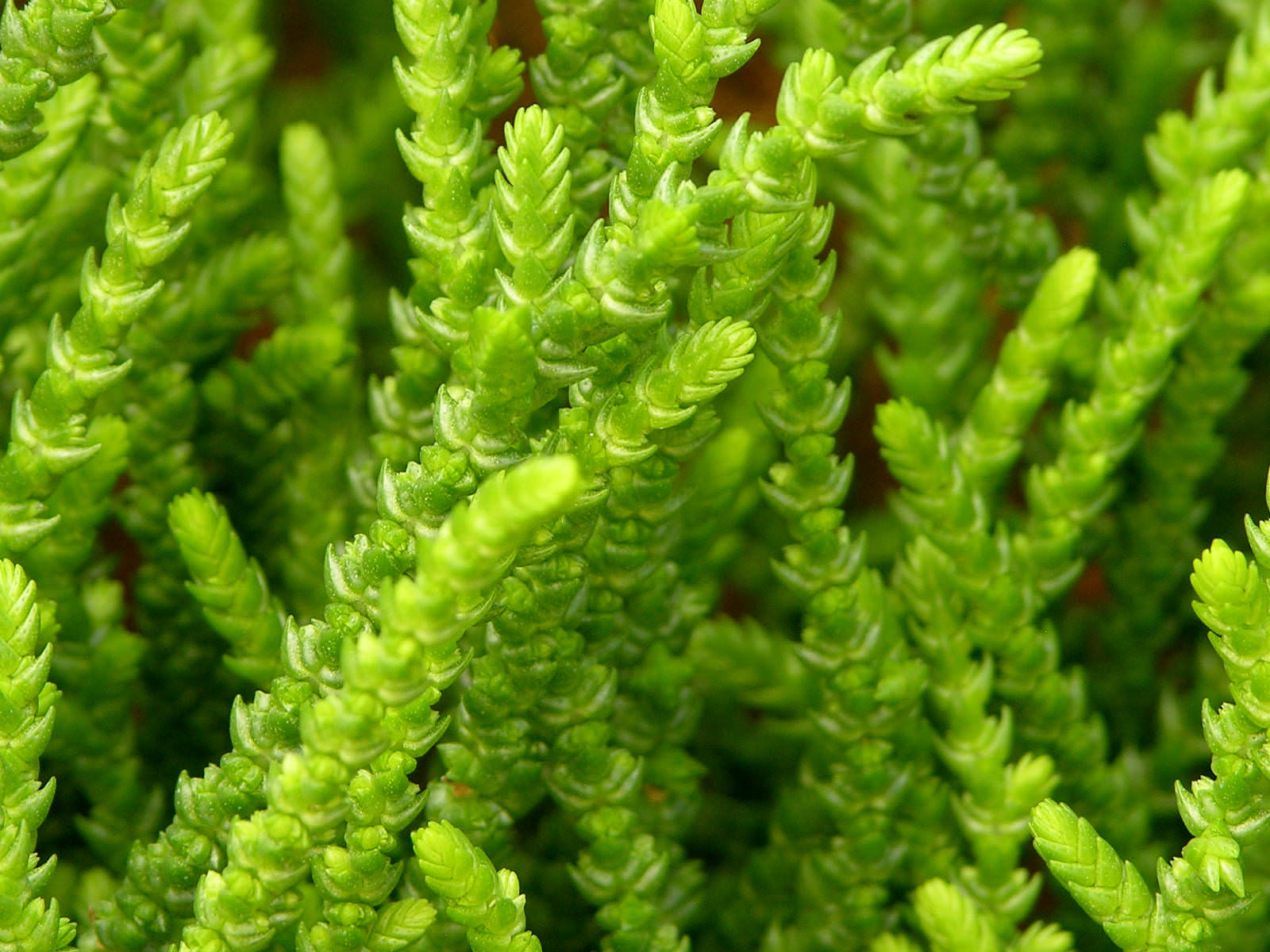
Crassula Muscosa Garden Of Crassula Pinterest

Crassula Barbata Beardedleaved Crassula Planting Succulents

Cmo Cuidar Una Crassula Spiralis Stagnol Una Rara Y Bonita

Cactus Spirale Piante Grasse Pinterest Cactus

Crassula Perforata F Variegata Hort Crassulaces Plants Plant

Eulychnia Castanea Spiralis Cactus Plants Planting Succulents
Post a Comment for "Crassula Spiralis: The Curly and Fascinating Succulent"